
Are you pro probiotic foods? Well, even if you aren’t, you should be! In fact, foods high in probiotics should be your new dietary best friends. From foods with the best source of probiotics to the health benefits they offer, this guide has some top suggestions for you.
A Quick Word on Probiotic Foods
Let’s face it; yogurt probably came to mind when you thought “gut health”. But what are probiotics, and what do they do?
Probiotics are live microorganisms, also known as good bacteria, which provide various health benefits when you consume them. These powerful benefits postively affect your body and brain and help you maintain a better immune system overall.
Probiotic foods help create a balance between helpful and harmful bacteria that coexist in the body, especially the gut. Probiotics are also important for digestive health since they help move food through the digestive system by affecting the nerves that control the gut’s movement.
As an added bonus, consuming more probiotic foods will leave you with better-looking skin and reduce depression.
15 Probiotic Foods You Should Be Eating – Some Are Less Obvious
Probiotics can be taken as a supplemental pill, but they are naturally present in certain foods too. It should be noted that, unlike other medications, probiotics in pill form are not regulated by the US Food and Drug Administration (FDA).
If you have a weak immune system, you should first consult with your doctor before using probiotic pills because they could be harmful to people with certain conditions. Find a doctor near you on the Air Doctor app here.
1. Yogurt
By far, the most popular probiotic food is Greek yogurt. Made from the fermented milk of goats, sheep, or cows, this household staple is one of the best, and most obvious, sources of probiotics. It is best to choose an organic yogurt that comes from a grass-fed animal with live probiotics or cultures for the most benefits.
Yogurt might even be suitable for people with lactose intolerance since the bacteria turns some of the lactose into lactic acid, giving yogurt that yummy sour taste.
2. Kombucha
Another probiotic food created using a fermentation process is trendy kombucha. A fermented black or green tea drink, kombucha is packed with good bacteria and yeast. Consumed in many parts of the world and originating from Japan, many claim its benefits include increased energy levels and detoxification of the liver – a perfect way to start the new year on a healthier note!
While existing research is related to animal and test-tube studies, it still probably offers many health benefits related to its powerful probiotic properties.
3. (Some) Cheese
Did someone say cheese?
While almost all cheese is fermented, it doesn’t necessarily mean that all cheese contains probiotics. Keep an eye out for the words “live cultures” or “active cultures” on food labels. Luckily, the good bacteria survive the aging process in some cheeses like gouda, mozzarella, cheddar, and cottage cheese.
Besides the fact that cheese is highly nutritious and a very good source of protein – not to mention delicious – it’s also rich in essential minerals and vitamins, like calcium, selenium, and vitamin B12.

4. Kefir
Kefir is one type of probiotic food you might not have heard of. It’s a fermented probiotic milk drink made by adding kefir grains to cow or goat milk. Interestingly, kefir grains are not cereal grains, but cultures of lactic acid bacteria and yeast. It looks a bit like cauliflower.
While yogurt is probably the most well-known probiotic food in Western diets, kefir is actually a better source of this good bacteria. Containing several major strains of friendly bacteria and yeast, kefir is a diverse and potent probiotic. Hailing from the Turkish word “keyif”, which means feeling good after eating, your body will definitely feel good after consuming some of this probiotic-rich food.
Much like yogurt, kefir is also typically well tolerated by those who are lactose intolerant.
5. Sauerkraut
This one might not be for everyone. Popular in many countries, sauerkraut is finely shredded cabbage that’s been fermented by lactic acid bacteria. Generally served on top of sausages or as a wholesome side dish, sauerkraut has a sour, salty taste and can be stored in your pantry for months (as long as it’s sealed in an airtight container).
Besides its probiotic qualities, sauerkraut is rich in fiber and vitamins like C and K. As well as being high in sodium, iron, and potassium, this delicacy also contains antioxidants essential for eye health. Just be sure to opt for unpasteurized sauerkraut, since pasteurization kills the live and active bacteria.
6. Kimchi
A personal favorite among foods high in probiotics and organic acids is kimchi, a fermented, spicy Korean side dish. While cabbage is typically the main ingredient, it can also be made from other vegetables. Kimchi is flavored with a mix of seasonings like garlic, ginger, scallion, and red chili pepper flakes – is your mouth watering too?
It contains lactic acid bacteria and other enzymes which may benefit digestive health.

7. Miso
If you enjoy Japanese food, you’ve probably had this probiotic food many times before. Miso! Traditionally made by fermenting soybeans, brown rice, or barley with salt and a fungus called koji. Miso is often found in dishes like miso soup – a popular breakfast food in Japan – and is typically salty. You can find many varieties of miso, like red, brown, yellow, and white.
An excellent source of protein and fiber, miso is also high in vitamins, minerals, and plant compounds, like vitamin K, manganese, and copper. The Japanese spice has been linked to many health benefits, including a lower risk of breast cancer in middle-aged Japanese women.
8. Apple Cider Vinegar
Another surprising one on this list of foods – apple cider vinegar! Yes, it contains diverse probiotics, and it’s even been suggested that apple cider vinegar may help keep your cholesterol levels in check, as well as blood pressure and diabetes.
You can easily drink a small amount on a regular basis or add it to something like salad dressing. Just make sure you don’t consume too much since excessive amounts of apple cider vinegar can damage your teeth, hurt your throat, and upset your stomach.
Speaking of an upset stomach – if you tend to struggle with indigestion quite often, here are some natural remedies.
9. Pickles
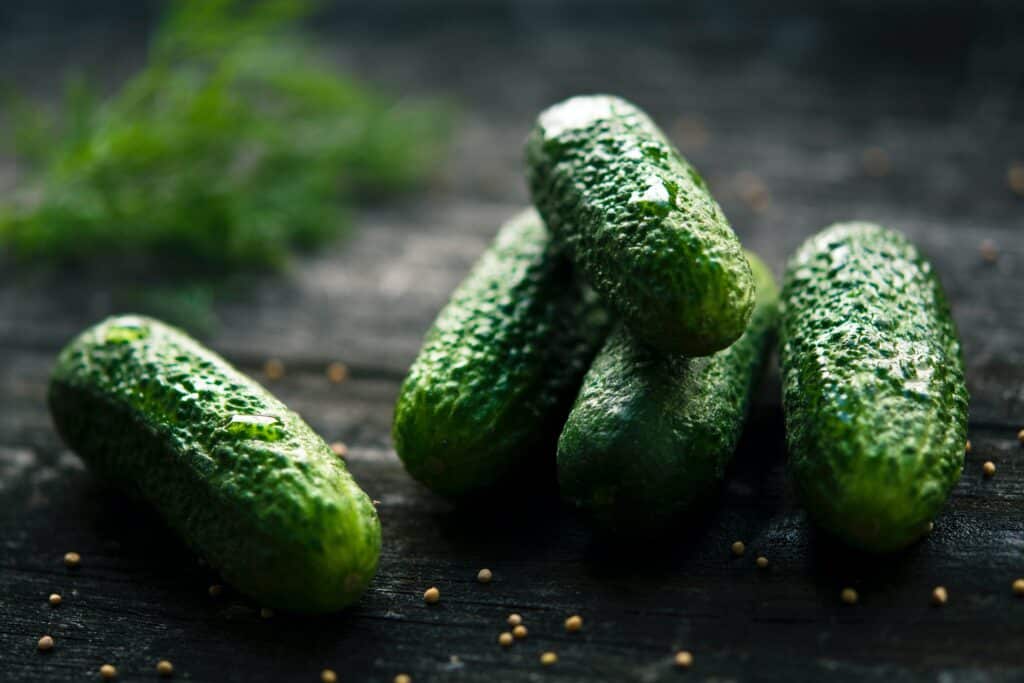
Whether you call them pickles or gherkins, these preserved cucumbers are deliciously sour and filled with probiotic goodness. In fact, they use their own naturally present lactic acid bacteria.
Low in calories, high in essential vitamins, pickles are an easy fridge-side snack and a probiotic food you should be eating more of. Just remember that they tend to be high in sodium. Oh, and pickles made with vinegar don’t contain live probiotics – so keep an eye out for those that do next time you stock up at the grocery store.
10. Traditional Buttermilk
Did you know that “buttermilk” actually refers to a range of fermented dairy drinks? There are two main kinds: traditional buttermilk and cultured buttermilk. So, what’s the difference?
Widely consumed in Nepal, Pakistan, and India, traditional buttermilk is literally the leftover liquid from making butter, and only this kind of buttermilk contains probiotics. It’s often called grandma’s probiotic.
Cultured buttermilk, which is commonly found in American supermarkets, generally doesn’t contain any probiotic benefits.
Traditional buttermilk is low in fat and calories and contains several essential vitamins – so if you’re planning to get your fill of probiotic foods, steer clear of cultured buttermilk.
11. Water Kefir
Water kefir is a refreshing, dairy-free fermented drink made using water kefir grains. It contains a variety of beneficial bacteria and yeasts that support digestion and gut balance.
Because it’s naturally carbonated and lightly sweet, water kefir is a great alternative to sugary sodas — especially for those who are lactose intolerant or following a plant-based diet.
12. Kvass
Kvass is a traditional fermented beverage most commonly made from beets, though some versions are made from rye bread.
It’s rich in probiotics that help promote healthy digestion and support liver function. With its slightly tangy, earthy flavor, kvass has been consumed for centuries in Eastern Europe as a natural gut-supporting tonic.
13. Natto
Natto is a fermented soybean dish popular in Japan and known for its strong aroma and sticky texture.
It contains a powerful probiotic strain called Bacillus subtilis, which supports gut health and immune function.
Natto is also rich in vitamin K2, an important nutrient for bone and heart health, making it one of the most nutrient-dense fermented foods available.
14. Acidophilus Milk
Acidophilus milk is milk that has been fermented with beneficial bacteria, particularly Lactobacillus acidophilus.
This probiotic helps improve digestion and may reduce symptoms of lactose intolerance.
Compared to regular milk, acidophilus milk is gentler on the stomach and can be an easy way to increase probiotic intake.
15. Tempeh
Tempeh is a fermented soybean product with a firm texture and mild, nutty flavor.
Thanks to the fermentation process, tempeh contains natural probiotics that support gut health while also providing a high amount of plant-based protein and fiber.
It’s a versatile food that can be baked, grilled, or sautéed and is especially popular among vegetarians and vegans.
In Short
Adding probiotic foods to your diet is one of the simplest and most natural ways to support gut health, digestion, and overall wellness.
From familiar options like yogurt and kefir to lesser-known fermented foods such as natto, kvass, and tempeh, there are plenty of choices to suit different tastes and dietary needs.
The key is variety and consistency — regularly including a range of probiotic-rich foods can help maintain a healthy balance of gut bacteria, which plays a vital role in everything from immune function to nutrient absorption.
About The Air Doctor App
With the Air Doctor app in your pocket, you can access medical care and receive expert medical guidance anywhere you travel.
Air Doctor offers a wide range of benefits, including:
- A global network of multi-lingual doctors and specialists
- Choice of clinic, at-home (hotel), and video consultations
- Healthcare access in 90 countries
- 24/7 multi-lingual support
- Transparent pricing and reviews
- Most common medical specialties, including cardiologists
FAQs
Kefir is often considered one of the foods highest in probiotics because it contains a wide variety of beneficial bacteria and yeasts — often more strains than yogurt. Fermented foods like sauerkraut, kimchi, and natto are also extremely rich in probiotics, especially when they are traditionally fermented and not pasteurized.
Common signs that your gut bacteria may be out of balance include bloating, gas, constipation, diarrhea, and frequent digestive discomfort. Other symptoms can include weakened immunity, frequent infections, skin issues, food sensitivities, or feeling fatigued. While probiotics aren’t a cure-all, regularly consuming probiotic-rich foods can help restore and maintain a healthier gut environment.
Fruits do not naturally contain high levels of probiotics on their own. However, fruits that are fermented — such as fermented apples (used in cider or apple-based ferments) or fruit used in kombucha and water kefir — can provide probiotics. Fresh fruits like bananas, apples, and berries are best known for being prebiotic, meaning they feed and support the growth of beneficial gut bacteria rather than supplying them directly.