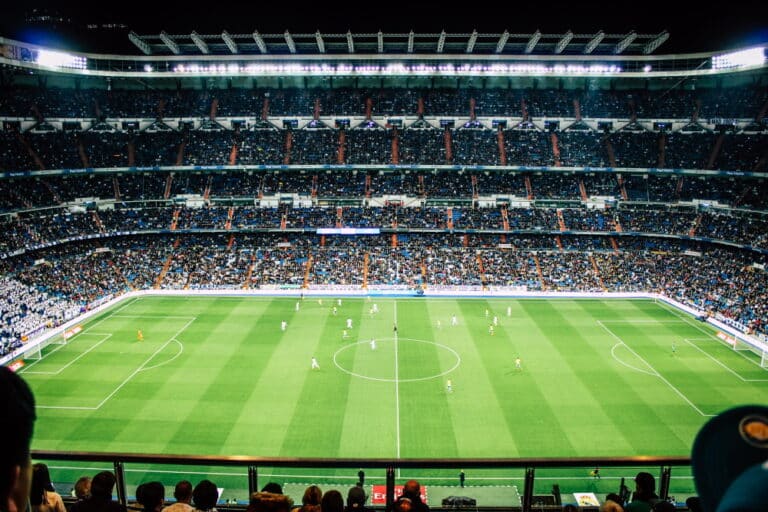
The 2026 Winter Games are shaping up to be one of the most exciting editions in recent history. Hosted across northern Italy, this event blends world-class winter sports with iconic cities, alpine landscapes, and a modern, multi-venue format that spreads competitions across an entire region.
Whether you’re planning to attend in person or watch from home, understanding the schedule, locations, and key events helps you make the most of the experience. This guide breaks down what to expect, where things are happening, and why early planning matters.
When Are the 2026 Winter Games?

The 2026 Winter Games are scheduled for February 6 – 22, 2026, running just over two weeks. The opening ceremony marks the start of global competition, followed by daily medal events across multiple venues, and ending with a closing celebration that wraps up the Games.
The early days focus heavily on qualifying rounds and preliminary competitions, while the final weekend features many of the most anticipated medal events. For fans traveling to Italy, this means demand peaks near opening and closing ceremonies.
Where Will the 2026 Winter Games Take Place?
Unlike a single-city event, the 2026 edition uses a distributed host model, spreading competitions across northern Italy.
Milan
Milan serves as the urban heart of the Games. Indoor arenas host ice-based competitions, while the city stages ceremonies and cultural programming. Milan’s international airport and rail connections make it the primary gateway for international visitors.
If you’re new to traveling in major European cities, this guide to navigating London offers tips that apply broadly to busy international hubs:
Cortina d’Ampezzo
Cortina is the mountain centerpiece. Known worldwide as a winter sports destination, it hosts alpine and snow competitions in dramatic alpine settings. The town previously staged major winter events decades ago, giving it deep sporting roots.
Other Host Locations
Events extend into the Veneto and Lombardy regions, linking mountain resorts and modern arenas. Efficient rail networks connect many venues, but travel times vary — planning transport in advance is essential.
What Events Are in the 2026 Winter Games?
The 2026 Winter Games feature a wide mix of classic winter disciplines, grouped into ice, snow, and sliding sports. Together, they showcase speed, endurance, precision, and artistry — and they’re designed to appeal to both hardcore fans and first-time viewers.
Ice Sports
Ice sports take place in indoor arenas and are among the most globally watched competitions. Figure skating blends athletic difficulty with choreography, with singles, pairs, and ice dance events drawing huge audiences. Ice hockey remains one of the most intense tournaments of the Games, featuring fast-paced matches and long-standing international rivalries.
Curling brings a slower, tactical contrast, where strategy matters as much as physical skill. Meanwhile, speed skating and short track speed skating highlight raw power and technical precision, with athletes reaching incredible speeds on tight ovals. These events often produce some of the closest finishes of the entire Games.
Snow Sports

Snow sports dominate the mountain venues and deliver many of the Games’ most dramatic visuals. Alpine skiing includes downhill, slalom, and giant slalom races that test both bravery and control. Snowboarding and freestyle skiing introduce aerial tricks, halfpipe runs, and high-risk maneuvers that attract younger audiences and action-sport fans.
Biathlon combines cross-country skiing with precision rifle shooting — one of the most unique and mentally demanding winter events. Cross-country skiing, ski jumping, and Nordic combined emphasize endurance and technical mastery, often unfolding across scenic alpine backdrops.
Sliding Sports
Sliding sports are built around speed and engineering. Bobsleigh teams race down icy tracks in carefully designed sleds, while skeleton athletes hurtle headfirst at extreme velocities. Luge competitors navigate tight curves feet-first, demanding flawless technique and nerves of steel.
These events are among the fastest in the Games, with races sometimes decided by fractions of a second.
New or Returning Events
Recent editions of the Winter Games have focused on expanding mixed-gender formats and modernizing competition structures. Mixed team events continue to grow, encouraging collaboration across disciplines and adding new medal opportunities.
Organizers are also refining formats to improve fairness, pacing, and spectator experience — making events easier to follow both in person and on broadcast.
Key Venues to Know
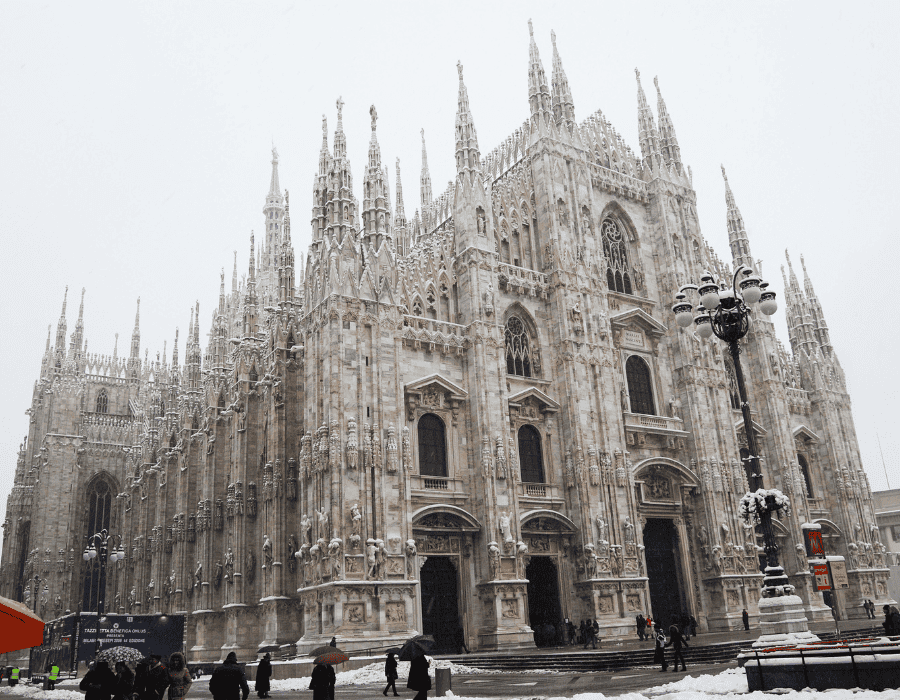
The 2026 Winter Games are spread across a mix of modern arenas and historic alpine resorts, creating a balance between city energy and mountain spectacle.
Milan hosts many of the major indoor competitions in newly upgraded arenas designed for large international crowds. These venues are built not just for sport but for fan experience, with strong transport connections, nearby accommodation, and entertainment districts that stay active long after events end.
In the mountains, Cortina d’Ampezzo and surrounding alpine resorts serve as the heart of snow and sliding competitions. These venues are known for dramatic landscapes, steep courses, and a long tradition in winter sport. Spectators can expect scenic viewing areas, lively village atmospheres, and a festival-like environment around competition days.
Ceremony locations are designed to showcase Italian culture alongside athletic performance, blending architecture, music, and regional identity. Even visitors without event tickets can participate in the atmosphere.
Fan zones across host cities allow travelers to join celebrations, watch live broadcasts on giant screens, enjoy local food, and experience public festivities. These zones are ideal for families, casual fans, and travelers who want to soak up the atmosphere without stadium crowds.
Watching the Games From Home
Not everyone will travel to Italy — but the Games remain highly accessible worldwide.
Major broadcast networks will provide live coverage, while streaming platforms offer flexible viewing options, replays, and event highlights. This makes it easier than ever to follow specific sports or athletes without committing to full-day broadcasts.
Time zone differences are an important factor. Events run on Central European Time, meaning viewers in North America may face early mornings, while Asian and Australian audiences could see late-night schedules. Planning ahead helps fans prioritize finals and headline competitions.
Many networks also provide condensed highlight packages, athlete features, and behind-the-scenes coverage, making it possible to stay connected even with a busy schedule.
Why the 2026 Winter Games Matter
This edition of the Winter Games represents more than competition — it reflects a shift in how global sporting events are designed and delivered.
Italy has deep roots in winter sport and alpine culture, and the 2026 Games aim to celebrate that heritage while modernizing infrastructure. Instead of building entirely new venues, organizers are focusing heavily on renovation, reuse, and long-term community benefit.
Tourism is expected to surge, bringing investment into northern Italian cities and mountain regions. Improvements to rail networks, hospitality infrastructure, and public spaces are designed to outlast the Games, supporting local economies long after the final medal ceremony.
Sustainability plays a central role. Environmental impact reduction, responsible construction, and energy efficiency are guiding priorities. The goal is to host a world-class event while minimizing ecological footprint — a model many future international events are expected to follow.
Beyond economics and sport, the Games act as a cultural showcase. Northern Italy will use the global spotlight to highlight art, cuisine, design, and regional traditions, turning the event into a celebration of identity as much as athletic excellence.
In Short
The 2026 Winter Games will blend elite winter sport with iconic Italian cities and alpine venues. Whether you’re attending in person or watching from home, planning ahead makes the experience smoother and more enjoyable.
Here’s a quick summary:
- The Games run February 6–22, 2026, with peak demand around opening and closing ceremonies
- Events are split between Milan, Cortina d’Ampezzo, and surrounding northern Italian regions
- Competitions include ice sports, snow sports, and sliding events, plus expanded mixed-gender formats
- Major arenas host indoor events, while alpine resorts deliver scenic mountain competitions
- Fan zones allow visitors without tickets to join public celebrations
- Viewers at home should plan around Central European Time scheduling
- Infrastructure upgrades and sustainability efforts aim to leave a lasting legacy
- The Games double as a cultural showcase for northern Italy, not just a sporting event
The 2026 edition is designed to be modern, accessible, and regionally integrated. It’s a rare chance to see world-class competition against one of Europe’s most dramatic winter backdrops.
About The Air Doctor App
With the Air Doctor app in your pocket, you can access medical care and receive expert medical guidance anywhere you travel.
Air Doctor offers a wide range of benefits, including:
- A global network of multi-lingual doctors and specialists
- Choice of clinic, at-home (hotel), and video consultations
- 24/7 multi-lingual support
- Transparent pricing and reviews
- Most common medical specialties, including cardiologists
FAQs
The Winter Games occur every four years, alternating with the summer edition on a staggered schedule.
Countries with strong winter sports traditions — such as Norway, Germany, Canada, and the United States — frequently rank among top medal leaders.
Many tropical nations have limited or no participation due to climate and infrastructure challenges, though representation continues to expand as winter sports grow globally.