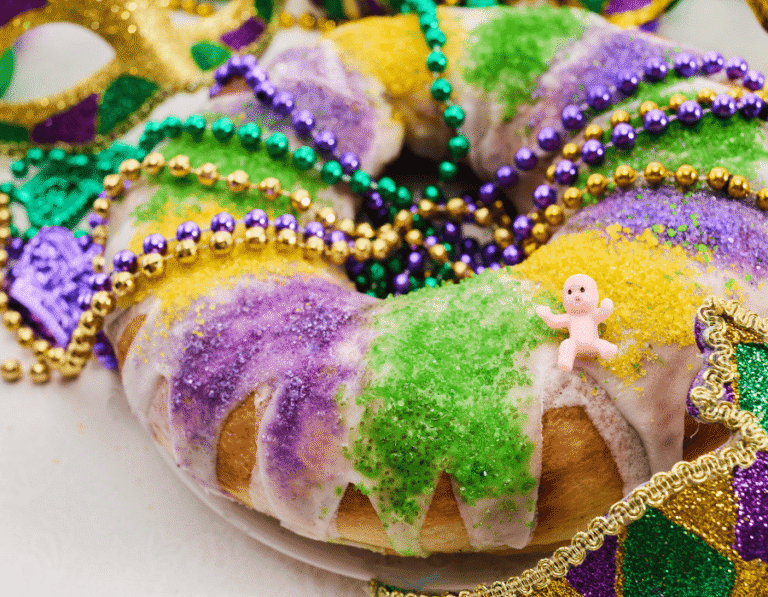
Fat Tuesday is one of the most colorful and festive days of the year: a celebration known for parades, indulgent food, music, and cultural traditions that stretch back centuries. For many people, it marks the grand finale of Carnival season before the reflective period of Lent begins.
Whether you’ve heard of Mardi Gras in New Orleans, Carnival in Brazil, or pancake traditions in Europe, Fat Tuesday connects cultures across continents. It blends religion, history, food, and celebration into a single day that’s both meaningful and wildly fun.
What Does Fat Tuesday Mean?
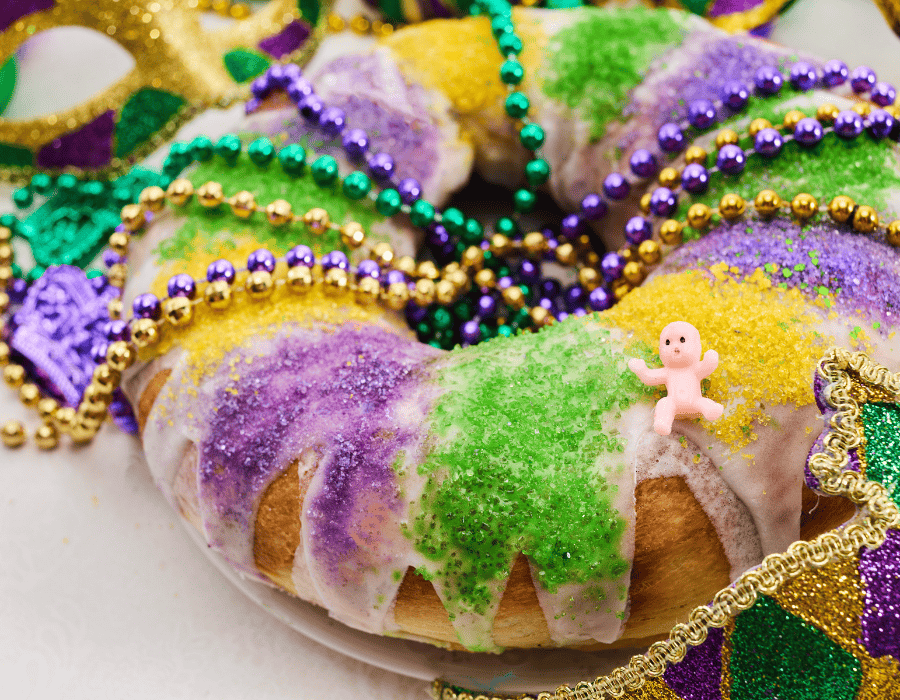
The name “Fat Tuesday” comes from the tradition of using up rich, fatty foods before Lent, a period of fasting and restraint observed in many Christian traditions.
Historically, families would cook with ingredients like butter, eggs, sugar, and meat — foods that were restricted during Lent. The idea was simple: enjoy indulgence before sacrifice.
The religious roots are tied to preparation. Lent is meant to be a time of reflection and moderation, so Fat Tuesday became the last opportunity for celebration. Over time, what started as a practical food tradition evolved into elaborate public festivals.
In French, the day is known as Mardi Gras, which literally translates to “Fat Tuesday.”
When Is Fat Tuesday?
Fat Tuesday doesn’t fall on the same date every year. Its timing is tied directly to Easter, which follows a lunar calendar.
The day occurs 47 days before Easter Sunday, always landing on a Tuesday. That means it typically falls sometime between early February and early March.
Because Easter changes annually, Fat Tuesday changes with it. Upcoming dates include:
- 2025 — March 4
- 2026 — February 17
- 2027 — February 9
The shifting date adds to the excitement, as celebrations adjust each year.
The History of Fat Tuesday
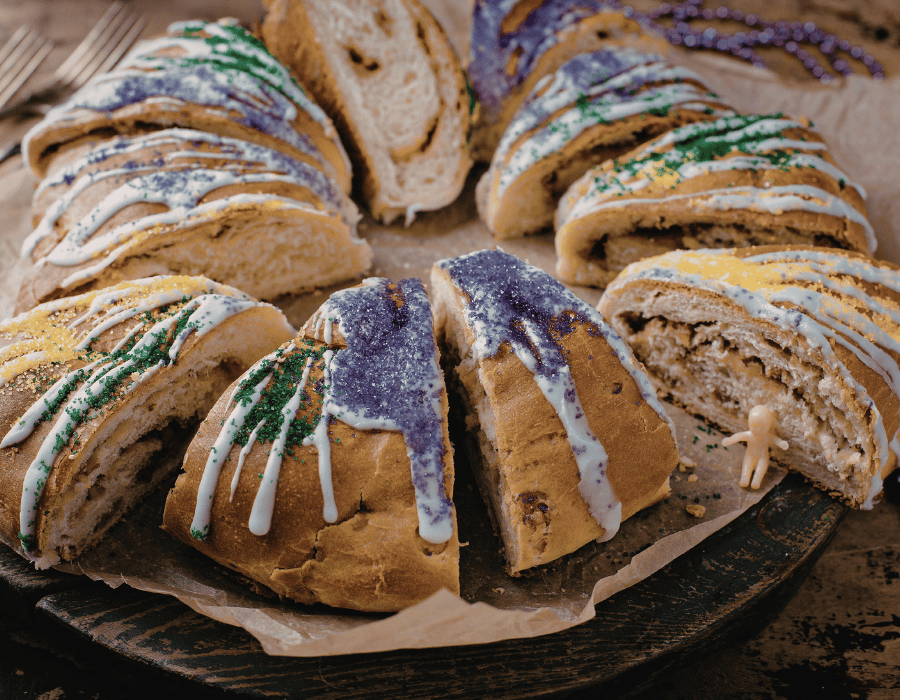
Fat Tuesday’s origins trace back to medieval Europe, where pre-Lenten feasting became a widespread custom. Communities held large meals and festivals before the fasting season began.
Catholic regions in France, Italy, and Spain expanded the tradition into public celebrations featuring costumes, music, and street processions. When European settlers brought their customs to the Americas, these festivals evolved into the large-scale Carnival traditions we see today.
New Orleans became one of the most famous centers for celebration due to its French heritage. Meanwhile, Brazil transformed Carnival into a national cultural phenomenon centered on samba, dance, and elaborate parades.
What began as a religious food tradition became a global festival season.
How Fat Tuesday Is Celebrated Around the World
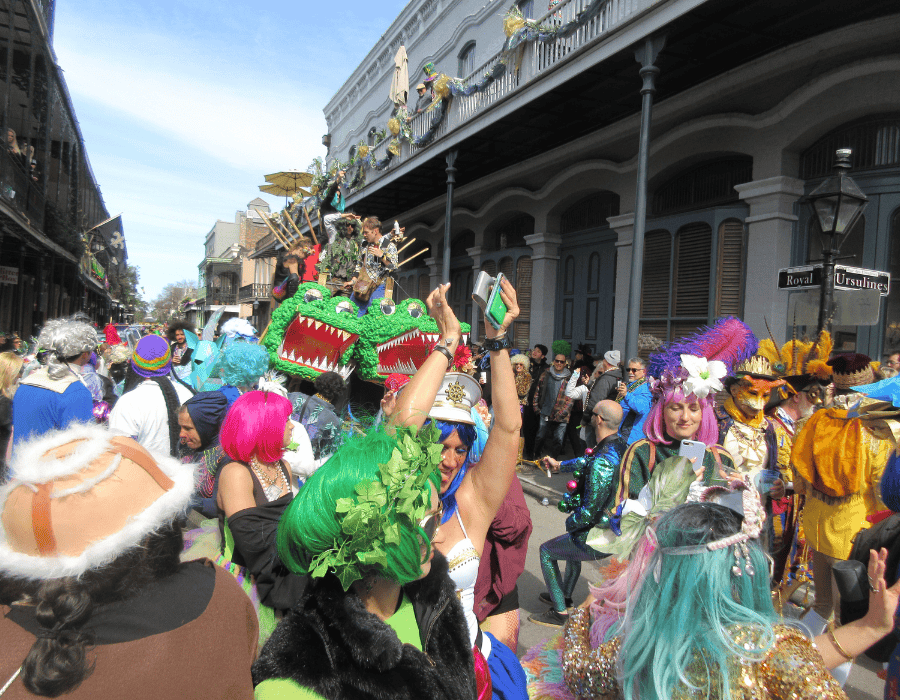
Fat Tuesday is celebrated differently depending on the culture, but the core themes (indulgence, celebration, and community) remain universal.
New Orleans (USA)
New Orleans is synonymous with Mardi Gras. The city hosts weeks of parades leading up to Fat Tuesday, featuring decorated floats, marching bands, and bead-throwing traditions.
King cake is a signature treat, decorated in purple, green, and gold. Street parties fill the French Quarter, and neighborhoods across the city celebrate with their own traditions.
Brazil
In Brazil, Carnival is one of the largest festivals on Earth. Massive samba parades showcase elaborate costumes, choreography, and music. Entire cities shut down for celebration, with millions participating in street parties.
Carnival is deeply tied to Brazilian identity and artistic expression.
Europe
Across Europe, Fat Tuesday traditions focus heavily on food.
- France celebrates with crêpes and pastries.
- Italy serves fried sweets like chiacchiere.
- Germany observes Faschingsdienstag with community festivals and doughnut traditions.
Though celebrations vary, indulgent food is always central.
Traditional Fat Tuesday Foods
Food is the heart of Fat Tuesday.
King cake symbolizes celebration and surprise, often containing a hidden trinket. Pancakes represent a way to use leftover butter and eggs. Fried pastries, rich meats, and sugary desserts all reflect the theme of indulgence before fasting.
These dishes aren’t just treats; they’re cultural symbols tied to centuries of tradition.
Is Fat Tuesday a Religious Holiday?
Fat Tuesday has Christian origins, but modern celebrations often blend religion and culture.
For practicing Christians, the day marks preparation for Lent. For many others, it’s a secular festival centered on community, music, and food.
The balance between faith and festivity varies by region. Some cities emphasize religious meaning, while others focus purely on celebration.
Both interpretations coexist.
Travel Tips for Experiencing Fat Tuesday
If you plan to attend a Fat Tuesday celebration in person, preparation makes a big difference.
Popular cities like New Orleans and Rio de Janeiro book up months in advance. Expect large crowds, busy transport, and heightened security.
Wear comfortable clothing, stay hydrated, and plan meeting points if traveling in groups. Weather varies by location — New Orleans can be mild, while European cities may still be cold.
International festivals are unforgettable, but travel always comes with unpredictability.
In Short
Fat Tuesday is a global celebration rooted in history, religion, and joy.
Here’s the quick takeaway:
- It marks the final day of indulgence before Lent
- The date changes yearly based on Easter
- Celebrations range from parades to food festivals
- New Orleans and Brazil host the largest events
- Traditional foods symbolize abundance and preparation
- It blends religious meaning with modern culture
- It’s one of the world’s most vibrant festival days
Fat Tuesday isn’t just a party — it’s a cultural bridge connecting centuries of tradition with modern celebration.
About The Air Doctor App
With the Air Doctor app in your pocket, you can access medical care and receive expert medical guidance anywhere you travel.
Air Doctor offers a wide range of benefits, including:
- A global network of multi-lingual doctors and specialists
- Choice of clinic, at-home (hotel), and video consultations
- 24/7 multi-lingual support
- Transparent pricing and reviews
- Most common medical specialties, including cardiologists
FAQs
It originated as a final feast before Lent, allowing people to use rich foods before fasting. Over time, it grew into a large cultural festival.
Yes. Mardi Gras is simply the French name for Fat Tuesday, though the term often refers to the broader celebration season.
Common foods include king cake, pancakes, fried pastries, and rich desserts — all tied to indulgence traditions.
It’s not a public holiday in most countries, but cities with major celebrations often treat it like one culturally.