Whether you’re heading to a busy city, a remote island, or somewhere deep in the mountains, having a travel first aid kit is one of the simplest ways to feel calm, confident, and prepared on your trip. Travel can be unpredictable (a headache on a long flight, a scraped knee during a hike, or an upset stomach from trying new foods), and a well-packed kit helps you handle these small surprises without stress.
Think of it as your personal “just in case” bag. It keeps minor issues from becoming major problems and saves you hunting for a pharmacy when you really don’t feel like it (or when the nearest one is hours away). This is especially helpful for families with kids, solo travelers, and anyone exploring remote destinations where medical help isn’t always close by.
And remember: even with the best first aid kit, sometimes you need a professional. That’s where telemedicine tools like Air Doctor come in handy, so you can speak to a trusted doctor anytime you’re abroad and get the care or prescriptions you need, fast.
This guide brings you a simple, clear checklist of everything to pack, plus tips for staying healthy wherever you roam. Let’s get your kit travel-ready.
Why You Need Travel First Aid Kits
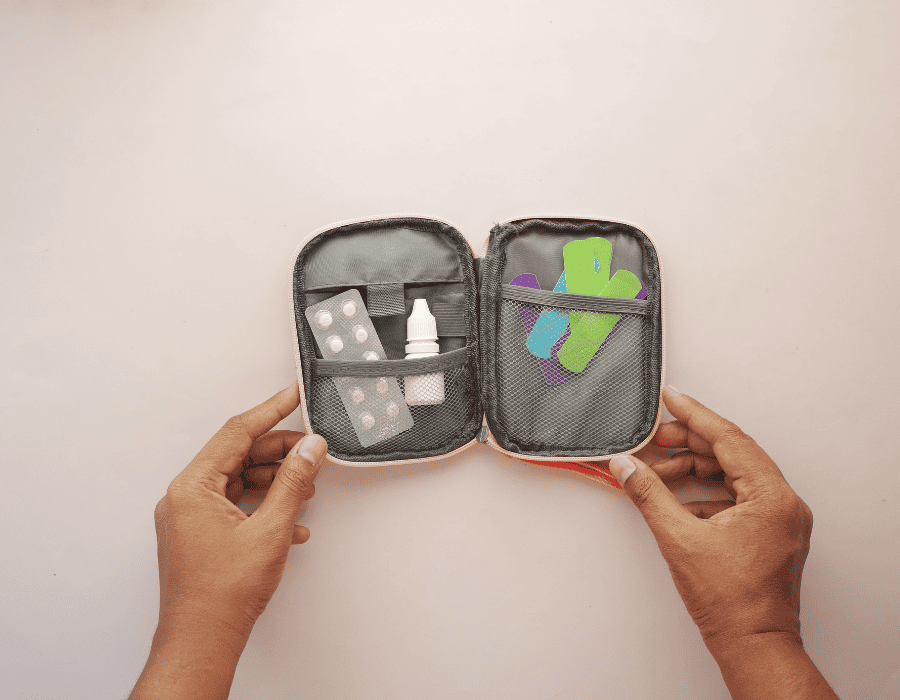
A travel first aid kit isn’t just another thing to pack. It’s the kind of essential that can genuinely save your trip. Unexpected things happen all the time while traveling: blisters from walking all day, allergies you didn’t know you had, a stomach reaction from unfamiliar foods, or even just a small cut that needs quick cleaning.
And while many destinations have pharmacies on every corner, others simply don’t. Some cities close early, some rural areas have very little access to medication, and language barriers can make finding the right treatment confusing. A first aid kit gives you the basics so you can look after yourself in those moments.
It also saves you money and time. Instead of buying overpriced supplies at your hotel or searching for open stores, you already have what you need in your bag. It’s especially valuable for families and adventure travelers, who often deal with bumps, scrapes, and minor injuries along the way.
When something feels more serious, your kit works hand-in-hand with telemedicine. Tools like Air Doctor let you connect with a local doctor while abroad, which can be a huge relief when you’re not sure whether your symptoms need professional attention. It’s also helpful if you’re managing a long-term condition — something we talk about more in our guide to traveling with a chronic illness, which explains how to stay on top of medications and treatment while overseas.
A good first aid kits for travel gives you what every traveler wants: a smoother, safer, and more carefree trip.
How to Choose the Right Travel First Aid Kit
Every trip is different — which means every traveler’s first aid kit needs to match their destination, length of stay, and personal health needs. The good news? Choosing the right kit doesn’t have to be complicated.
Start by thinking about where you’re going. City travelers usually only need a basic kit, while adventure travelers, hikers, and beach lovers often need extras like blister care, waterproof dressings, and stronger sun protection. If you’re traveling somewhere remote, it’s smart to pack a more complete kit since pharmacies and clinics might be hard to reach.
Next, consider who you’re traveling with. Families with kids need child-friendly pain relievers, fun plasters, and a digital thermometer. Travelers with chronic conditions should pack enough prescription medication for the entire trip — plus a few extra days, just in case. (Our guide on traveling with a chronic illness has more helpful tips on how to do this without stress.)
Finally, decide between a pre-made travel first aid kits and DIY travel first aid kits. Pre-made kits are convenient and often lightweight, but they may not include everything you personally need. A DIY kit lets you customize every item, making it perfect for solo travelers, parents, and anyone with specific medical needs.
No matter what type of kit you choose, always keep liquids under airline limits and pack medications in your carry-on so they’re easy to reach.
| Type of Kit | What It Usually Includes | Best For |
|---|---|---|
| Basic Travel Kit | Bandages, antiseptic wipes, pain relievers, allergy tablets, basic stomach remedies | Short trips, city breaks, and carry-on-only travelers. |
| Family Travel Kit | Basic kit items plus children’s medications, kids’ plasters, digital thermometer, extra tissues | Parents traveling with babies, toddlers, or young children. |
| Adventure Travel Kit | Basic kit items plus blister plasters, sports tape, waterproof dressings, splint, water purification tablets | Hikers, skiers, campers, and outdoor adventure travelers. |
| Tropical Travel Kit | Basic kit items plus insect repellent, bite cream, antifungal products, high SPF sunscreen, after-sun care | Beach holidays, jungle trips, and hot, humid destinations. |
| Remote Travel Kit | Basic kit items plus extra medications, larger dressings, emergency antibiotics (if prescribed), emergency contact tools | Safaris, rural trips, off-grid destinations, and places with limited healthcare access. |
The Ultimate Travel First Aid Kit Checklist
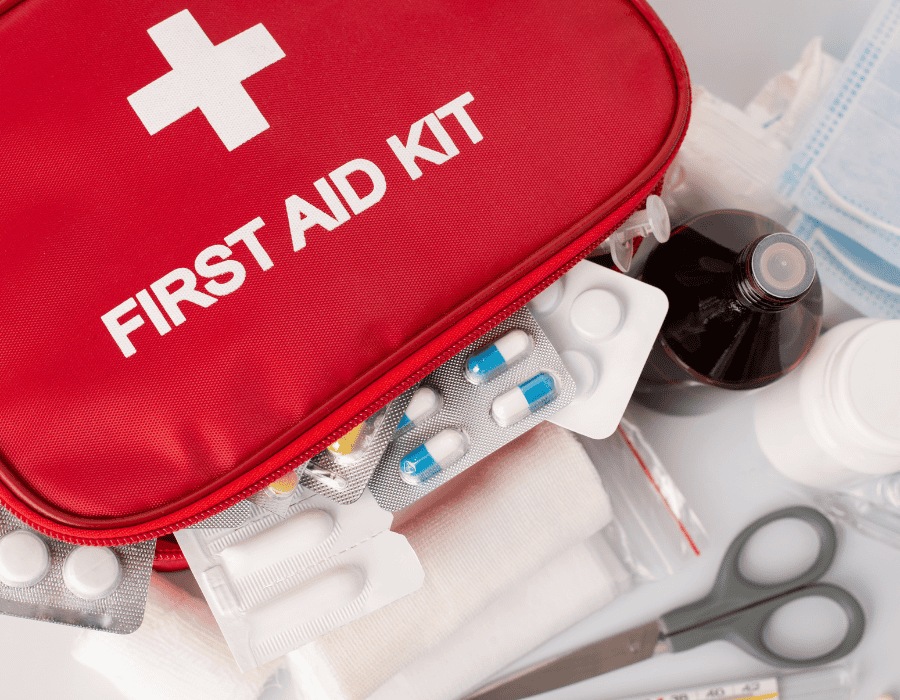
Here’s the part most travelers find incredibly helpful — a clear, simple checklist of everything your travel first aid kit should include. You don’t need to pack all of it, but these essentials cover most common travel hiccups, from cuts and scrapes to stomach issues and allergies.
This checklist is designed to work for all kinds of travelers: families, solo explorers, backpackers, and even people heading to destinations where medical access may be limited. And if something feels more serious than your kit can handle, remember you can always connect with a local doctor abroad through Air Doctor, so you’re never dealing with medical worries alone.
Basic First Aid Essentials
These are the must-haves you’ll reach for most often. These items cover small cuts, blisters, and minor injuries — the everyday things that tend to happen when you’re exploring a new place:
- Adhesive bandages in different sizes
- Sterile gauze pads
- Antiseptic wipes
- Medical tape
- Tweezers
- Small scissors (TSA-friendly, or pack in checked bag)
- Cotton swabs
Medications to Pack
Keep these on hand so you can treat symptoms quickly:
- Pain relievers (ibuprofen, paracetamol)
- Antihistamines (for allergies or bites)
- Anti-diarrheal tablets
- Motion sickness medication
- Rehydration salts
- Any personal prescription medicine (in original packaging)
If you take daily medication, always carry it in your hand luggage. Losing those in a checked bag can ruin a trip fast.
Skin & Wound Care Supplies
For bites, burns, scrapes, and irritations:
- Antibacterial ointment
- Blister plasters
- Hydrocortisone cream
- Aloe vera or burn gel
- Antifungal cream
These are especially helpful for beach holidays, long walking trips, or humid destinations.
Cold, Flu & Respiratory Items
These are especially helpful if you’re flying, visiting colder countries, or traveling during winter:
- Cough drops
- A small decongestant
- Throat spray
- Saline nasal spray
- A travel-sized thermometer
Flights, air-conditioning, and climate changes can trigger coughs, dry throats, and congestion, so having these items close by can make a long travel day much easier.
Stomach & Digestive Care
New foods, long travel days, or even nerves can cause stomach issues. Pack:
- Antacids
- Anti-nausea tablets
- Activated charcoal (food-related discomfort)
- Probiotics
- Electrolyte powder
These are especially useful for destinations where food and water quality may be different from what you’re used to. If you’re heading somewhere more rural, checking out our guide on what to do when you get ill abroad can help you prepare for unexpected health troubles, too.
Insect Bite, Sting & Sun Protection
For tropical trips, safaris, beach breaks, and outdoor adventures:
- Insect repellent
- After-bite soothing cream
- Anti-itch cream
- Sunscreen (travel size)
- After-sun lotion or aloe vera
Bug bites and sunburn are among the most common travel annoyances. These simple items can make a huge difference in your comfort level.
Emergency Supplies for Travel
You probably won’t need these often — but if you do, they can be lifesavers:
- A mini first aid manual
- Emergency contact card
- Travel insurance details
- Compression bandage
- A pair of disposable gloves
- CPR face shield
- Small travel flashlight
These are especially useful for adventure travelers, road trippers, or anyone visiting remote destinations.
Personal & Optional Extras
A few extras make your travel days smoother:
- Lip balm
- Eye drops
- Hand sanitizer
- Face masks
- Pocket tissues
- Contact lenses + solution
- Hot/cold packs
- A small sewing kit
- Reusable water bottle with filter (for remote or developing destinations)
Think about what you use at home — those are usually the items you’ll also want to pack.
Travel First Aid Kit Add-Ons for Special Types of Travel
| Type of Traveler | Must-Have Extras | Why It Matters |
|---|---|---|
| Families with Kids | Children’s pain relievers, kids’ plasters, digital thermometer, child-friendly electrolytes | Kids get sick quickly, and adult medications aren’t always safe for them. |
| Adventure Travelers | Extra blister care, waterproof dressings, sports tape, SAM splint, water purification tablets | More active trips mean higher chances of cuts, sprains, or blisters. |
| Tropical Travelers | Strong insect repellent, bite cream, antifungal cream, high SPF sunscreen, rehydration salts | Hot, humid destinations come with sun exposure, insects, and higher risk of irritation. |
| Remote Destination Travelers | Larger wound dressings, extra prescription meds, emergency antibiotics (if prescribed), satellite communication tools | Medical facilities and pharmacies may be far away or unavailable. |
| City/Short-Trip Travelers | Basic kit: bandages, pain relief, allergy medication, stomach care essentials, hand sanitizer | Urban destinations usually have pharmacies, but having basics saves time and stress. |
Different types of trips need different essentials. Here’s how to customise your kit based on your plans:
Adventure Travelers (Hiking, Skiing, Surfing, Trekking)
For extreme activities, having a few extra safety essentials can prevent a small injury from cutting your trip short.
- Extra blister care
- Waterproof dressings
- Sports tape
- SAM splint
- Water purification tablets
- Trauma shears (checked luggage only)
Families Traveling With Kids
Kids catch things easily and react quickly to weather changes, so having child-safe supplies is a big stress reliever for parents.
- Children’s pain relievers
- Kids’ bandages (fun designs make them less scary!)
- Digital thermometer
- Teething gel
- Rehydration sachets for children
Tropical Destinations
These are essentials for places where mosquitos are common or where you’ll be swimming a lot. If you’re heading somewhere warm, humid, or close to water:
- Strong insect repellent
- Sunburn treatment
- Antifungal cream
- Hydration sachets
- Bite-relief roll-on
Remote or Rural Destinations
If pharmacies and clinics may not be accessible:
- Larger wound dressings
- Extra prescription meds
- Emergency antibiotics (if prescribed by a doctor)
- Satellite emergency contact tool
- Extra electrolyte packs
Planning ahead for remote areas makes travel much safer and far more enjoyable.
How to Pack Your Travel First Aid Kit
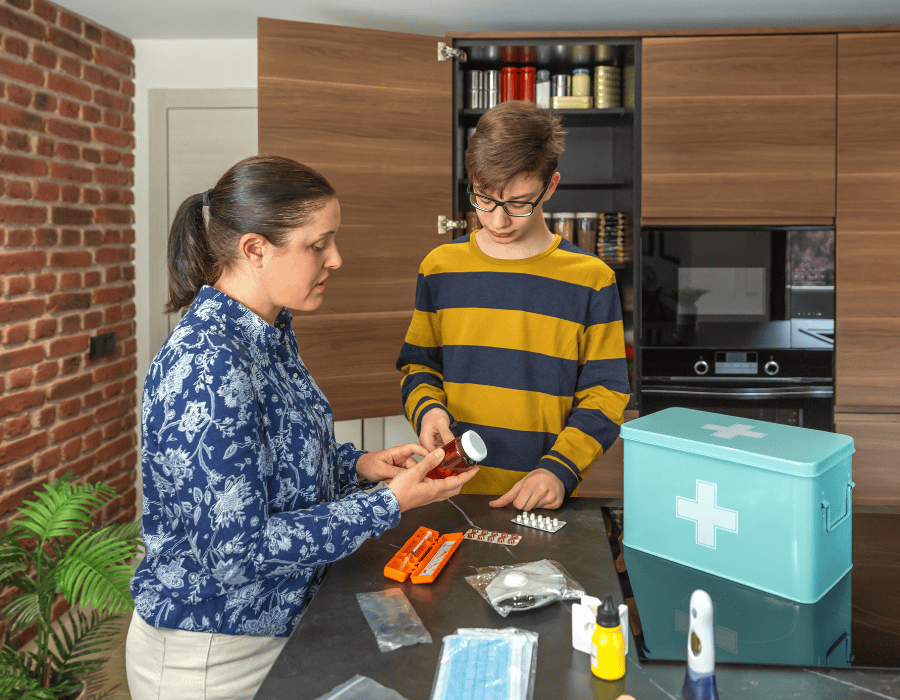
Packing travel first aid kits is simple once you know what to include:
- Keep all liquids under 100 ml if flying
- Use a waterproof pouch (or two)
- Label medications clearly
- Store daily medications in your carry-on, not checked bags
- Pack things you’ll use frequently at the top
- Keep documents (insurance, emergency contacts) in a separate, easy-access pocket
The goal is to make your kit easy to reach and organized — especially when you need something quickly.
When to Replace or Restock Your First Aid Kit
Quick rule: check your kit before every trip.
Look for:
- Expired medications
- Used items (like bandages or electrolyte powders)
- Weather-appropriate items (cold vs. hot trips)
- Missing essentials you forgot to restock
A quick pre-trip check saves a lot of hassle later.
When to Use Telemedicine Instead of Your First Aid Kit
Your travel first aid kits are great for minor issues — but sometimes you need a professional.
Telemedicine is ideal when you’re:
- Not sure what your symptoms mean
- Worried about a rash, bite, or allergic reaction
- Struggling with stomach issues for more than a day
- Unsure how to manage a chronic condition while traveling
- Needing a prescription or medical advice quickly
That’s where Air Doctor becomes your best travel companion. You can:
- Find a trusted doctor abroad
- Speak to a specialist online, or right at your hotel
- Get medical advice fast
- Avoid long clinic waits or language barriers
It’s the perfect backup when your first aid kit isn’t enough — or when you just want reassurance that everything’s okay.
A well-packed travel first aid kit is one of the simplest ways to stay safe, comfortable, and confident while traveling. Whether it’s a small scratch, a sudden headache, or a case of jet lag, having the right supplies on hand means you can keep exploring without stress.
In Short
A well-packed travel first aid kit is one of the simplest ways to stay safe, comfortable, and confident while traveling. Whether it’s a small scratch, a sudden headache, or a case of jet lag, having the right supplies on hand means you can keep exploring without stress.
Combine your kit with smart planning, the right travel insurance, and access to trusted doctors abroad, and you’ll be ready for whatever the road throws your way.Safe travels — and happy packing!
Combine your travel first aid kits with smart planning, the right travel insurance, and access to trusted doctors abroad, and you’ll be ready for whatever the road throws your way.
Safe travels — and happy packing!
About The Air Doctor App
With the Air Doctor app in your pocket, you can access medical care and receive expert medical guidance anywhere you travel.
Air Doctor offers a wide range of benefits, including:
- A global network of multi-lingual doctors and specialists
- Choice of clinic, at-home (hotel), and video consultations
- Healthcare access in 90 countries
- 24/7 multi-lingual support
- Transparent pricing and reviews
- Most common medical specialties, including cardiologists, ENT specialists, GPs, and pediatricians
FAQs
What should be in a travel first aid kit?
A travel first aid kit should include basics like bandages, antiseptic wipes, pain relievers, allergy medication, stomach remedies, blister care, and any personal prescription meds. Add extras depending on your destination and activities
Can you take a travel first aid kit on a plane?
Yes — you can take a first aid kit in your carry-on. Just keep liquids under 100 ml and avoid sharp items unless they’re TSA-approved (or placed in checked luggage).
What to put in a travel survival kit?
A travel survival kit usually includes first aid essentials, a small flashlight, multi-tool, emergency contact info, water purification tablets, a whistle, and snacks. It’s a more safety-focused kit for adventure or remote travel.
What is the golden rule of first aid kits?
The golden rule: Always keep your kit stocked, accessible, and tailored to your needs and destination. A kit only helps if it’s complete and easy to reach when you need it.